

Smooth Walls Start Here
Perfecting Every Surface Before the Paint Goes On
What Is Tape Bed and Texture?
When drywall goes up, the seams and screw heads have to disappear. Tape bedding is the craft of embedding paper tape in joint compound and feathering it out in smooth coats, so a wall of separate boards reads as one clean surface.
Texture is the finish that goes over the top. It adds character, helps hide small imperfections, and gives paint something to grip. When it is applied well, you never think about it. When it is not, you see every flaw once the light hits the wall.
Where We Can Help
- New drywall that needs finishing
- Patches and holes that need blending in
- Water-damaged walls and ceilings, once repaired
- Matching the texture already in your home
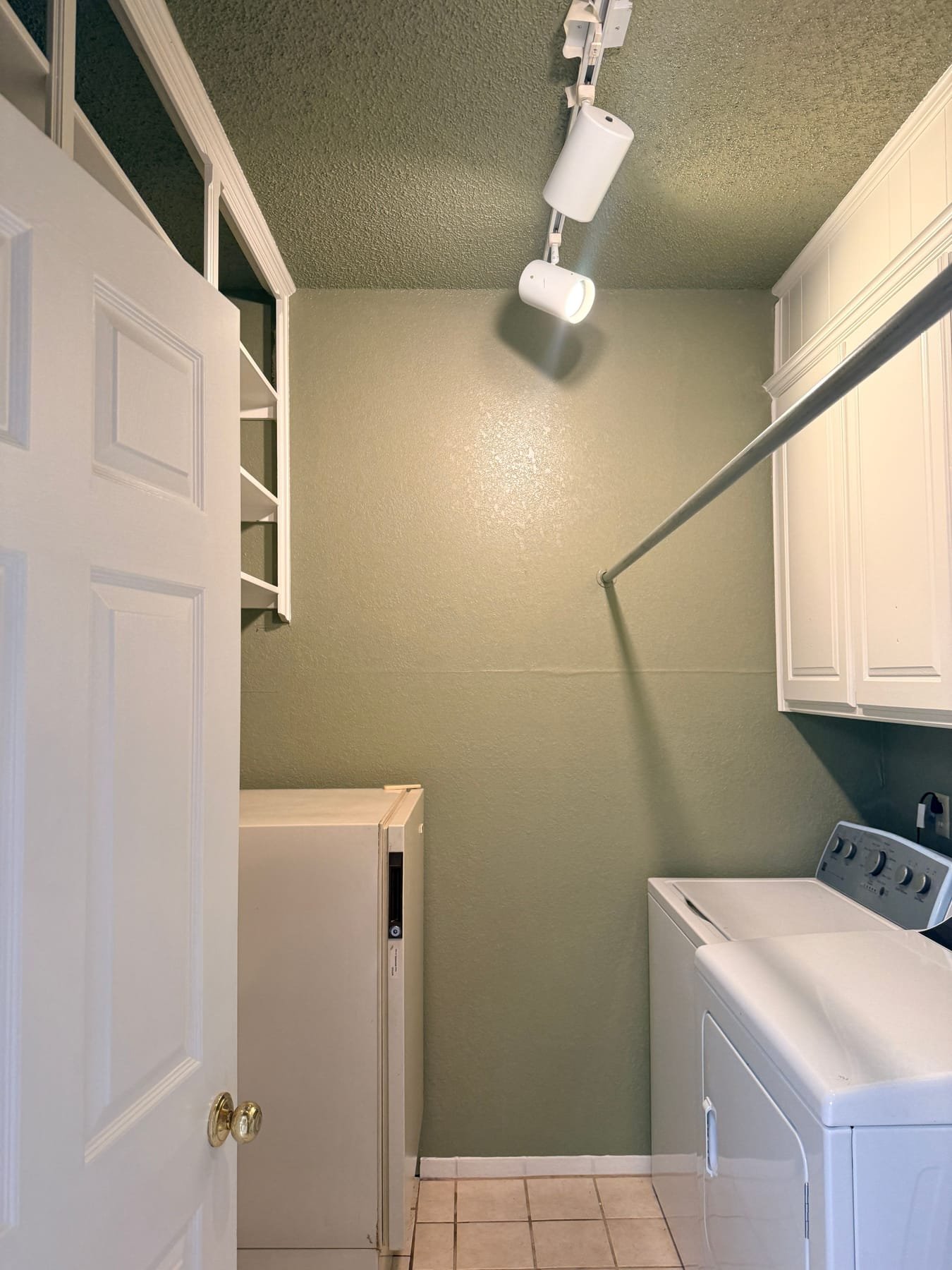
- Rooms getting ready for fresh paint
- Remodels where walls have moved or changed
Seeing seams, cracks or patches that will not hide?
From Bare Board to Finished Wall
Good drywall finishing happens in stages, and each one needs time to dry before the next begins. Rushing is the most common reason seams show up later, so we do not rush it.
What the work usually involves:
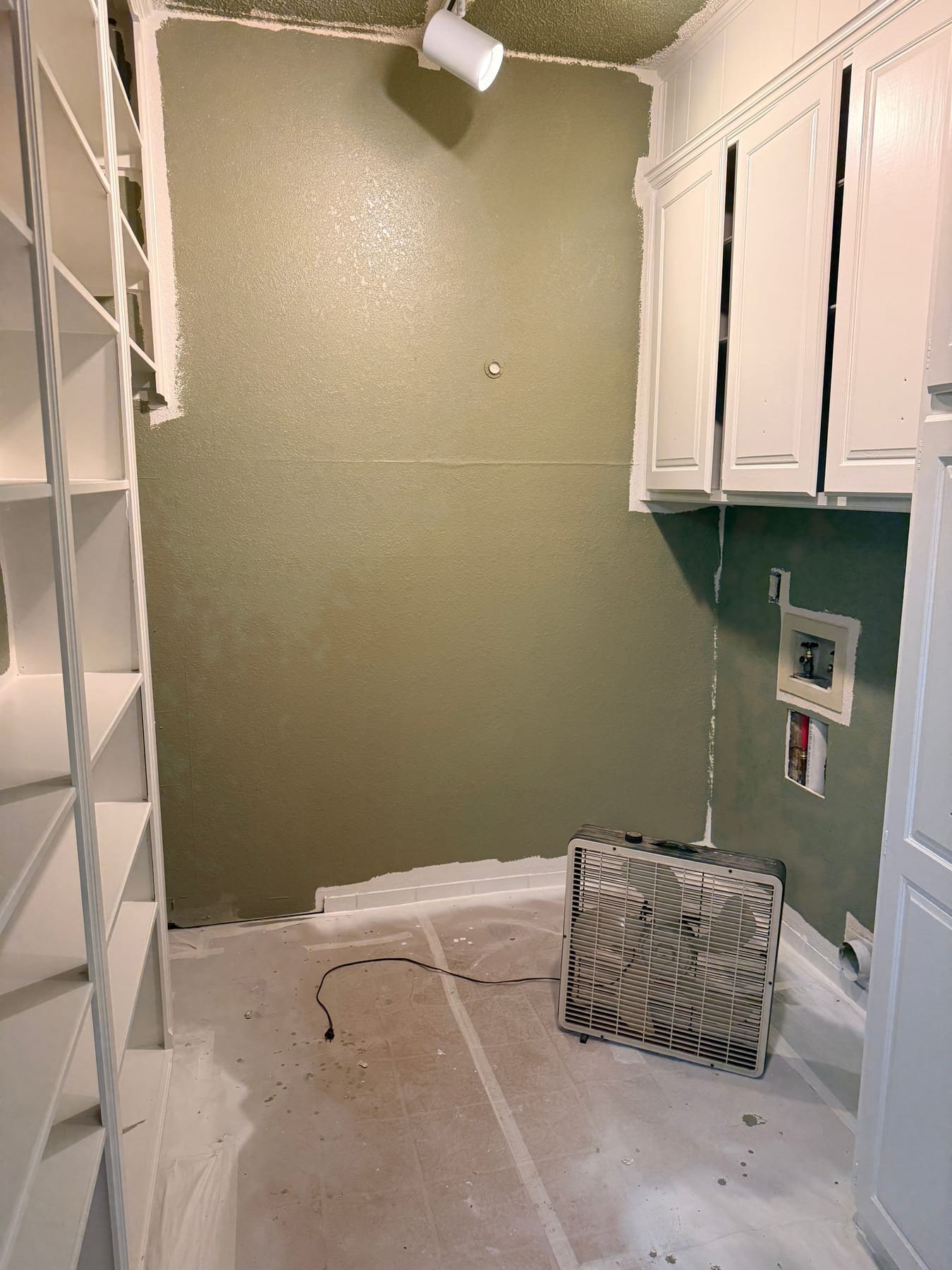
- Protecting floors and furnishings
- Embedding tape over seams and corners
- Feathering out smooth coats of compound
- Sanding the surface flat and even
- Applying a texture that suits the room
- Priming, so the paint goes on evenly
- Cleaning up when the job is done
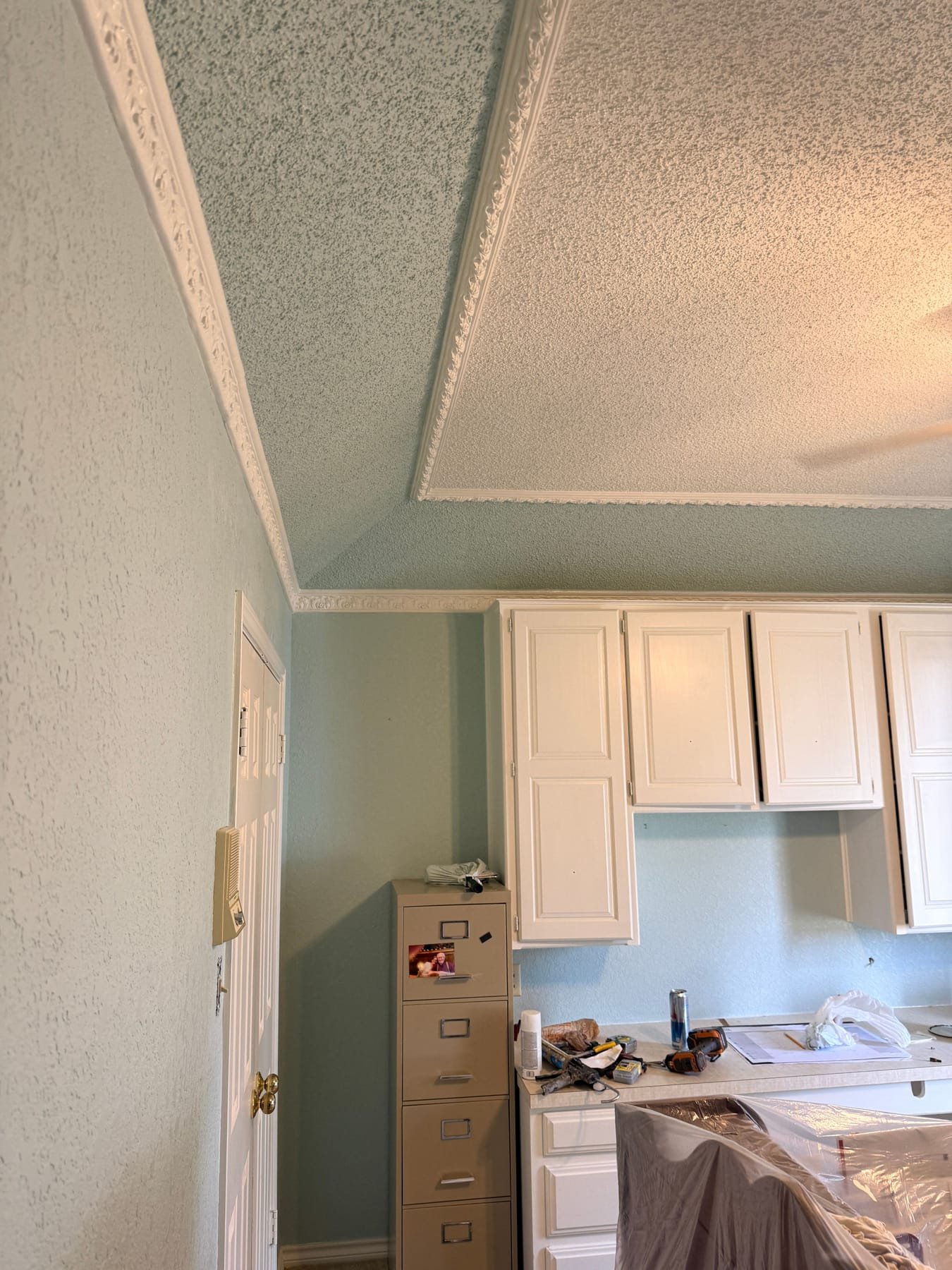
Matching the Texture You Already Have
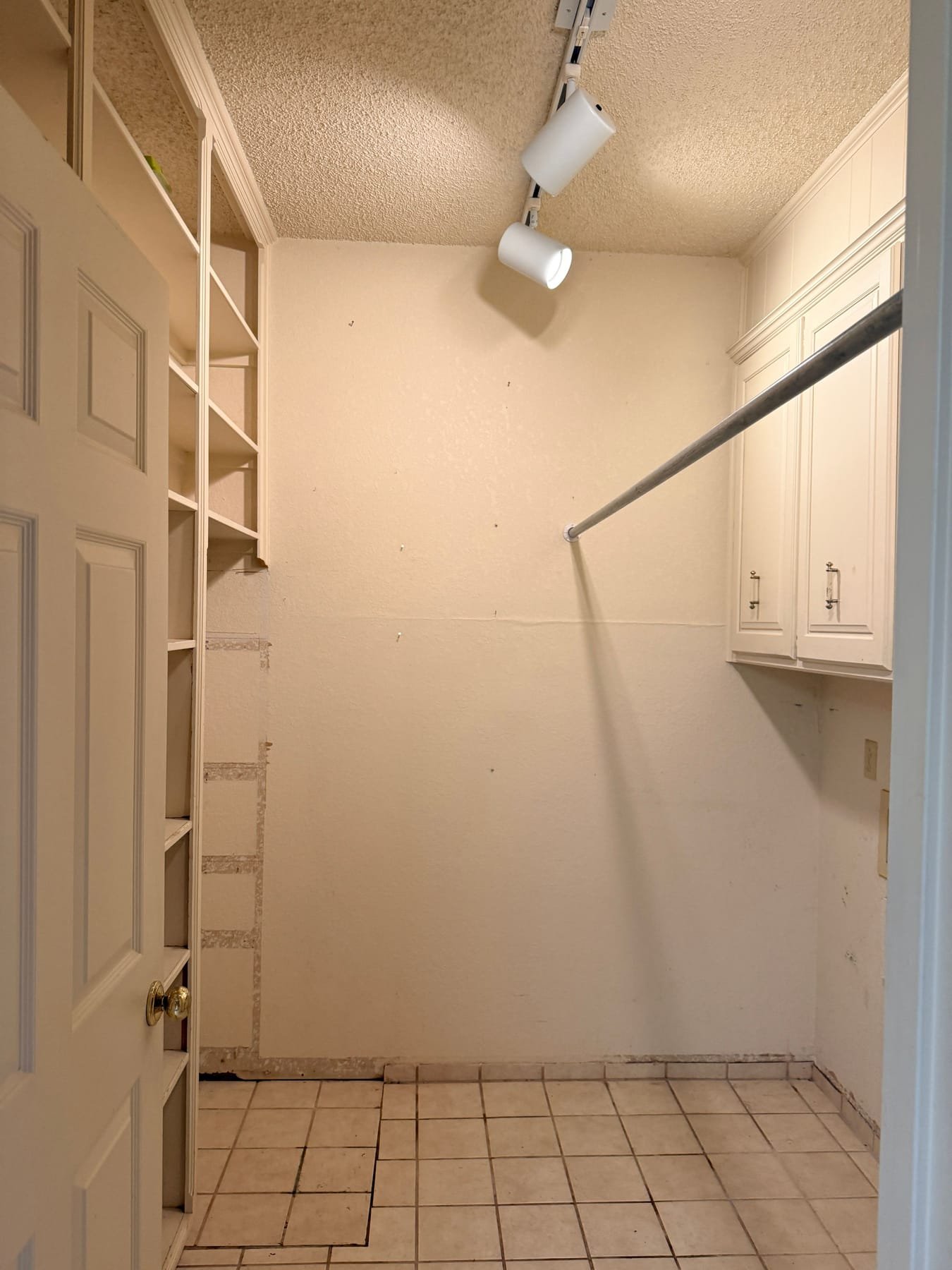
The hardest part of a wall repair is making it disappear. Most homes in the Lubbock area have an existing texture on the walls and ceilings, and a patch that does not match will always look like a patch.
Before we start, we will look at:
- The texture already in the room
- The size of the area to blend
- The condition of the wall underneath
- How the light falls on the surface
- The paint that will go on top
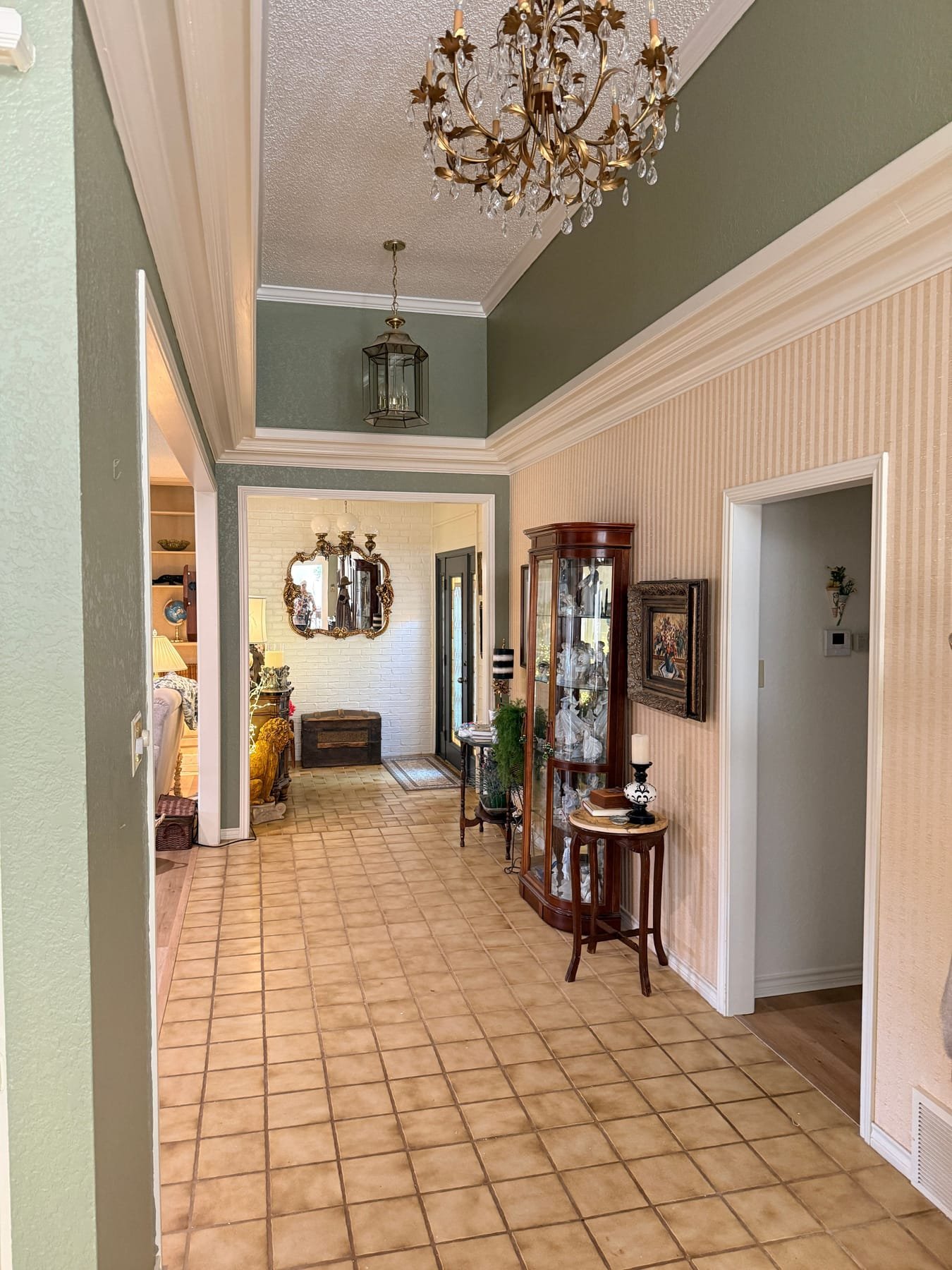
One Crew, Start to Finish
Walls and paint go hand in hand, so it helps to have them handled together. Because we do both, there is no waiting on one trade to finish before the next can start, and no question about who is responsible for how the finished wall looks.
Drywall Repair in Lubbock
Holes, cracks and old patches are easy to spot, especially when light falls across the wall. A good repair is about more than filling the damage. It has to be feathered out, textured to match, and painted so that your eye never stops on it.
We handle the whole job, from cutting out the damage to the final coat of paint, so you do not need to line up separate trades for a small repair.
Common Drywall Repairs
- Holes from doorknobs and furniture
- Cracks along seams and corners
- Old patches that show through paint
- Walls opened up for plumbing or electrical work
- Damage behind old vanities and cabinets
- Water-damaged sections, once the leak is fixed
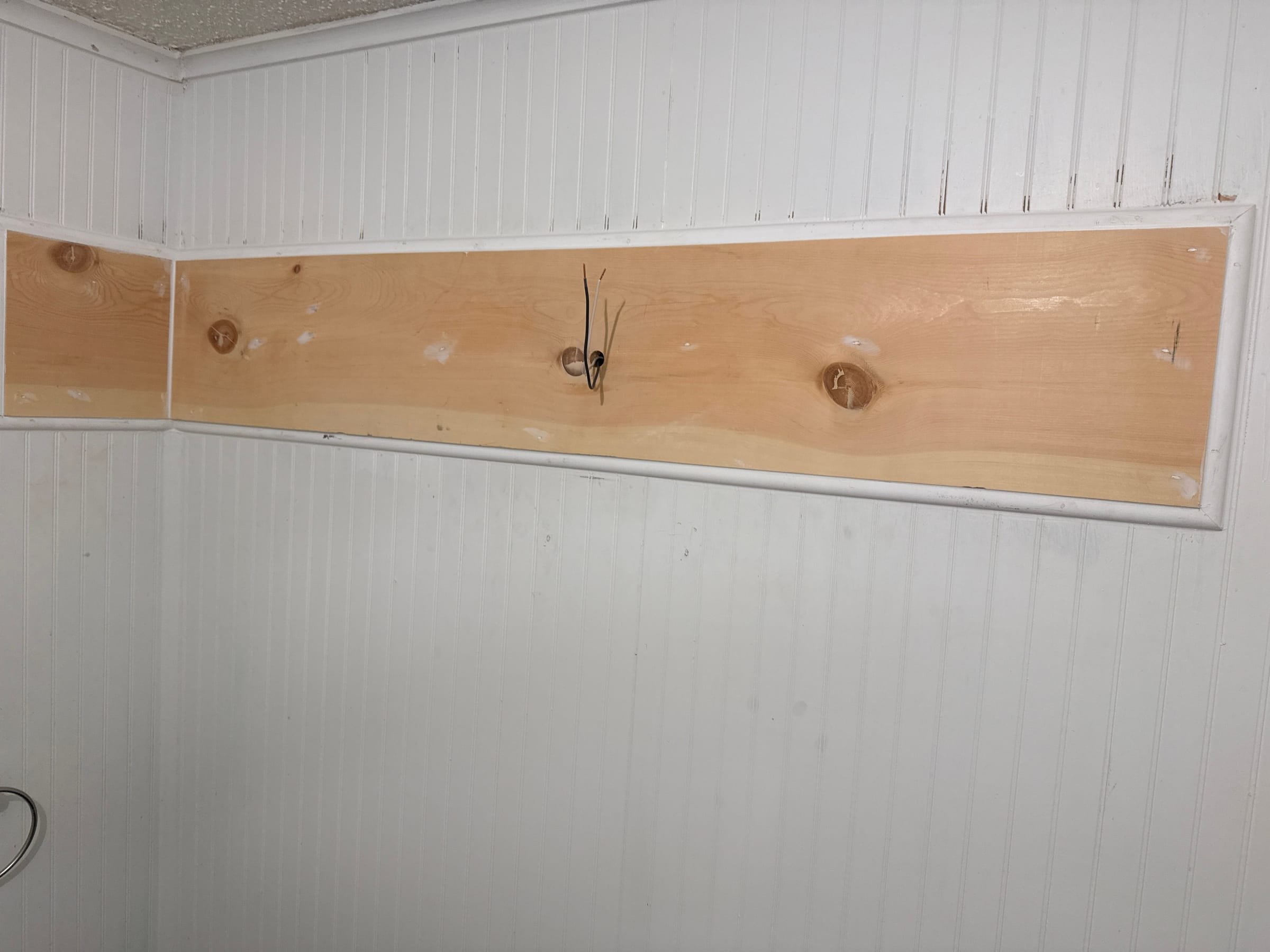
Cut It Back to Something Solid
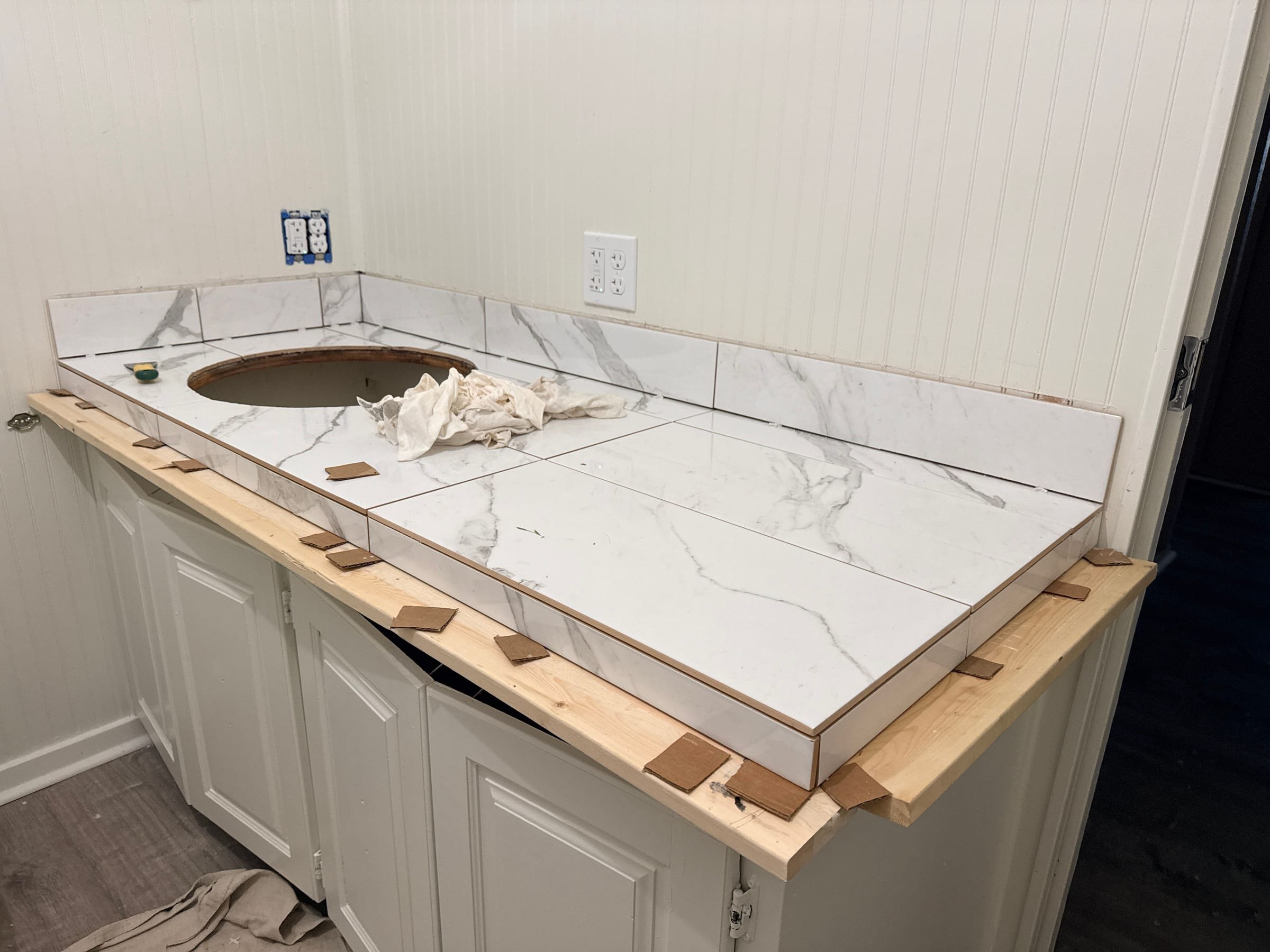
How a Drywall Repair Comes Together
Compound needs time to dry between coats, and rushing is the most common reason a repair shows later. These are the usual steps:
- Protecting the floor and nearby furniture
- Removing loose or damaged material
- Patching and taping the area
- Feathering out thin coats of compound
- Sanding smooth and matching the texture
- Priming and painting
Tape Bed, Texture and Drywall Repair Questions
How We Work
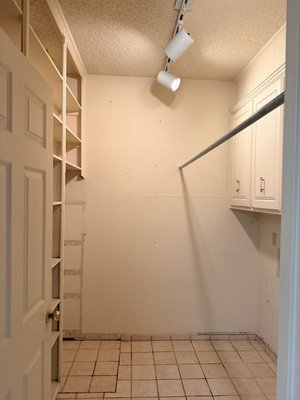
Consultation
We start by listening. Tell us what you have in mind, walk us through the space, and we will talk over what makes sense for your home. We keep our schedule flexible, so we can meet at a time that works around yours.
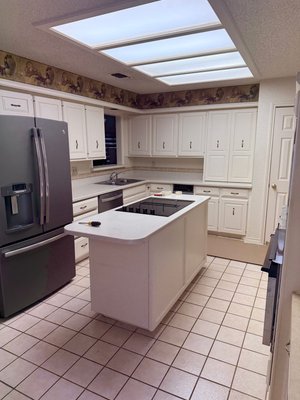
Your Estimate
You get a detailed estimate that spells out the work and the cost. No guessing and no vague numbers, so you can make a good decision about your home before anything gets started.
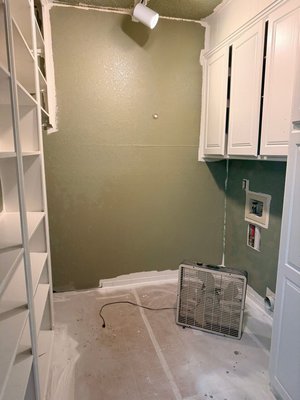
The Work
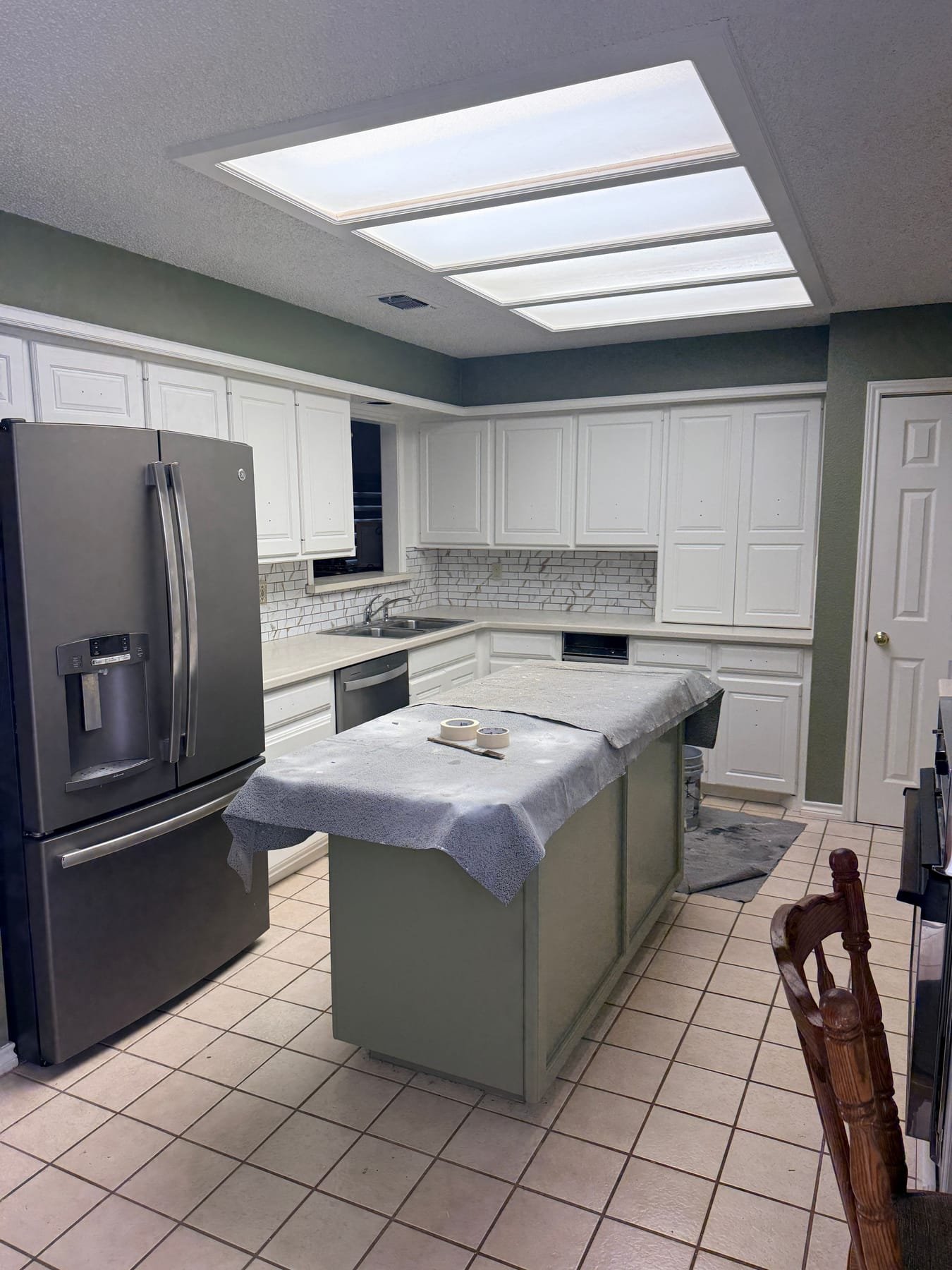
Good results start with good preparation. We protect the space, get the surfaces ready, and then do the job carefully, working efficiently so your daily routine is disrupted as little as possible.
The Final Look
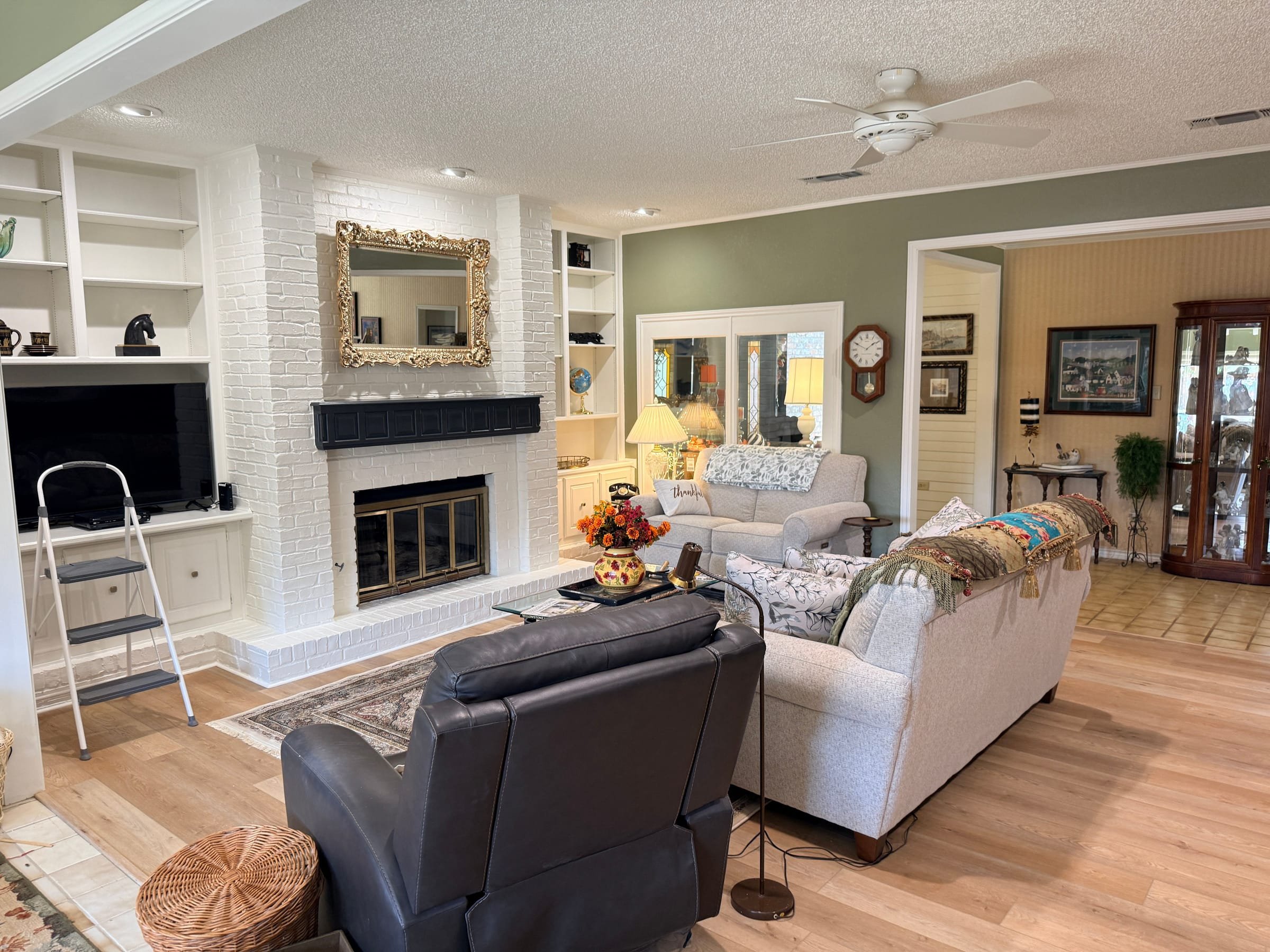
When the work is done, we clean up and walk through it with you. We are not finished until you are happy with how your home looks and works.
Let's Talk About Your Project
Call 806-535-1825 or Send Us a Note
Whether it is one room that needs fresh paint or a backyard that needs some shade, Hub City Homeworks will talk it through with you, answer your questions, and give you a detailed estimate so you know what to expect before any work begins.